
“Why must I sit beside them for every question?”
They wait for a hint, a first step, or reassurance before they carry on. Homework takes over your evening.










Your child is in P1–P4
Already learning Math but not improving
Takes too long to complete work
Depends on help
You want last-minute PSLE or exam tricks
Your child refuses to engage



FOR PARENTS OF PRIMARY SCHOOL CHILDREN
Tuition. Practice. Corrections.
Yet the next unfamiliar question still ends with “I don’t know.”
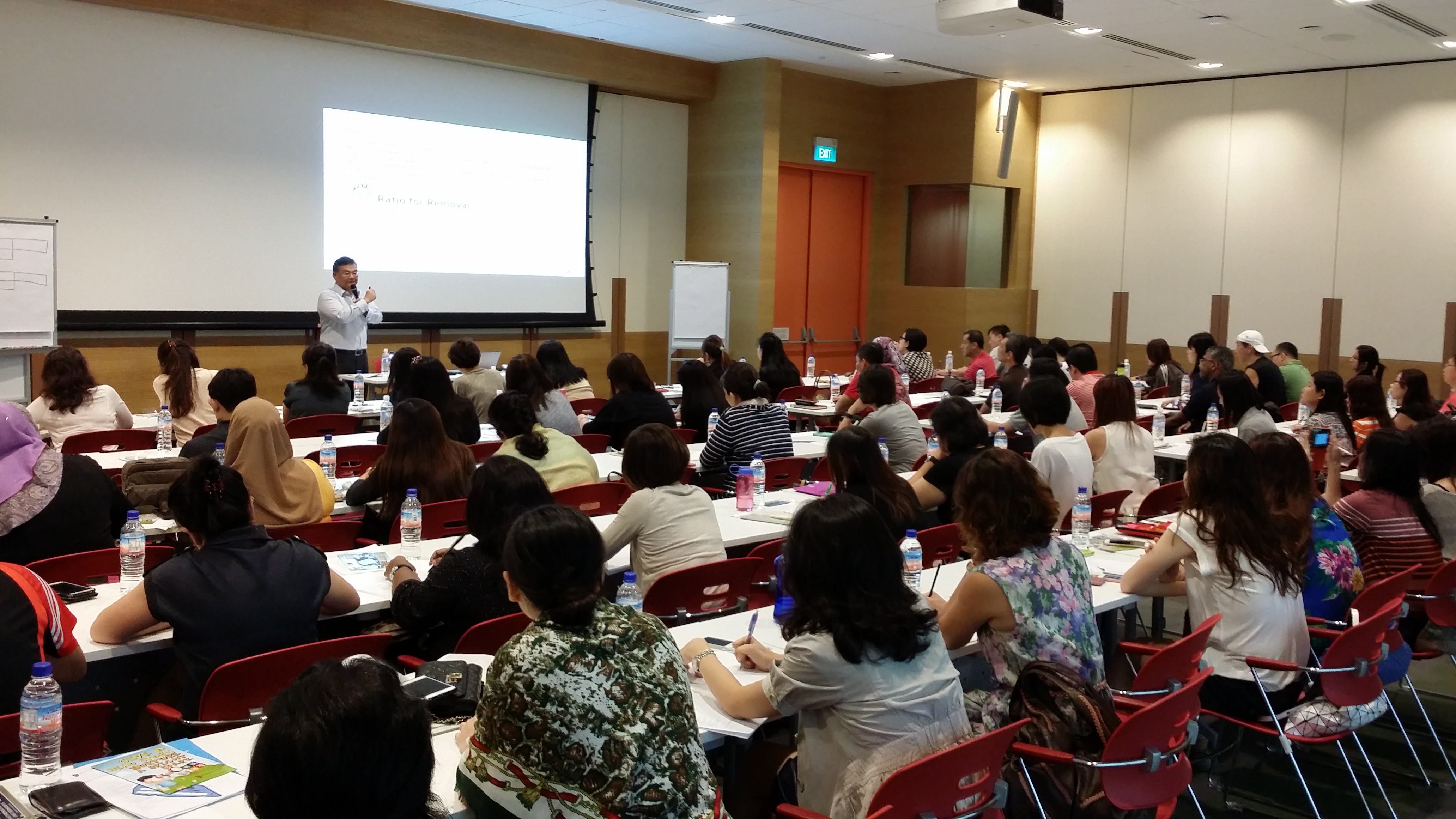
Join Dr Norman Tien to understand why your child still needs hints, and what needs to develop for them to start and think independently.
Reserve My Free Seat ↗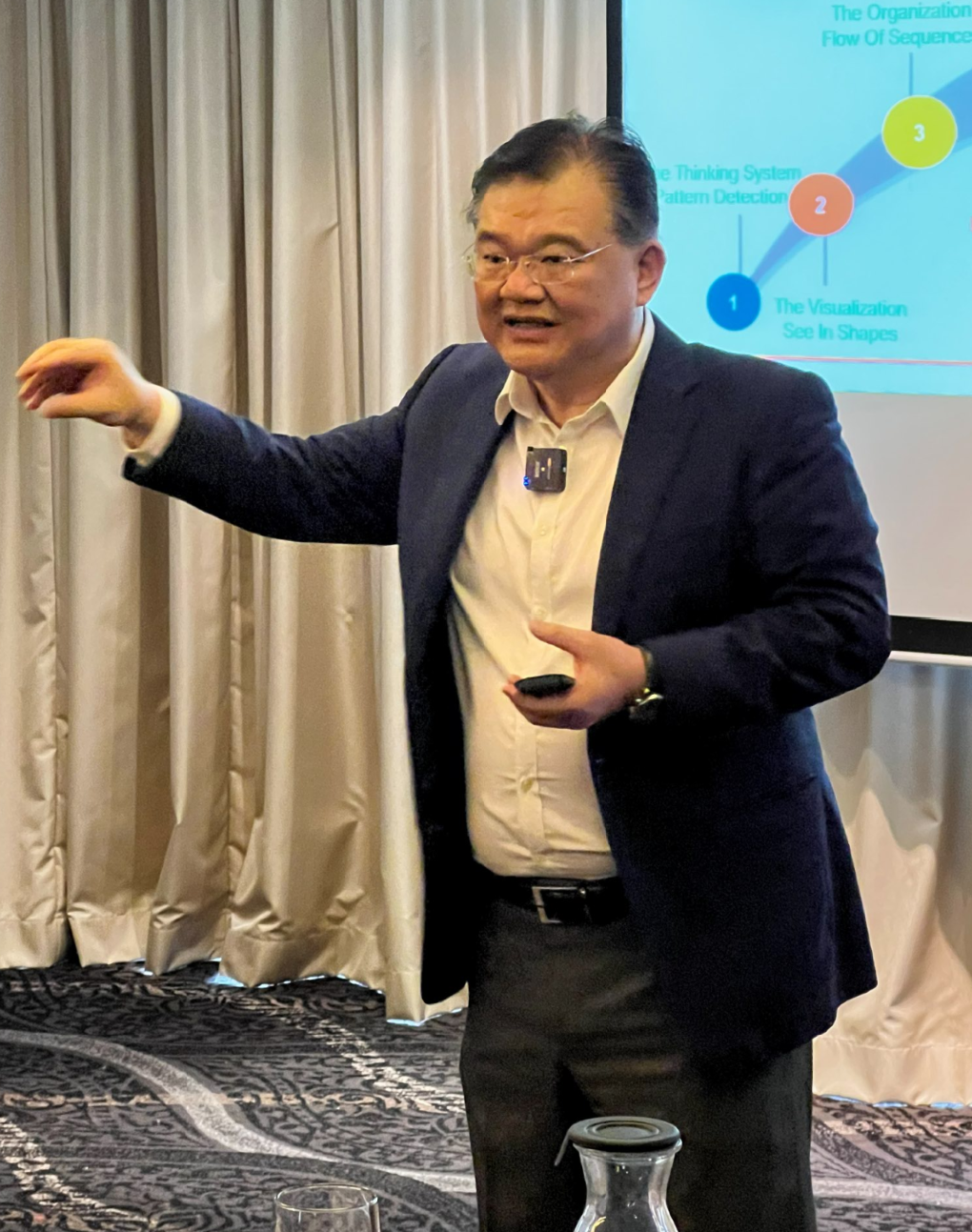
Founder, Neuromath Academy
20+ years helping students See Math
SEE MATH, NOT MEMORIZE STEPS
Thursday, 5 November 2026
8.00–9.30 pm SGT
Saturday, 7 November 2026
2.00–3.30 pm SGT
Choose your session below. All times are Singapore time.
DR NORMAN TIEN · FEATURED & INTERVIEWED ON




DO YOU RECOGNISE YOUR CHILD?
They wait for a hint, a first step, or reassurance before they carry on. Homework takes over your evening.
They can follow the explanation. But on their own, they still ask, “Which method do I use?”
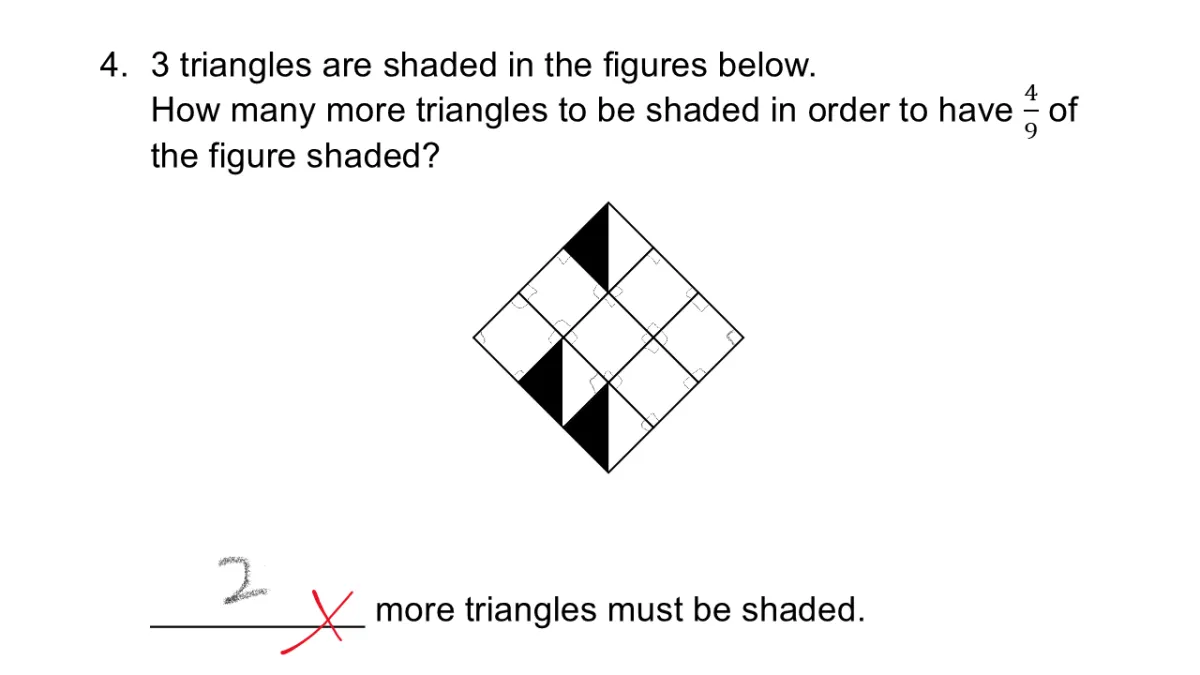
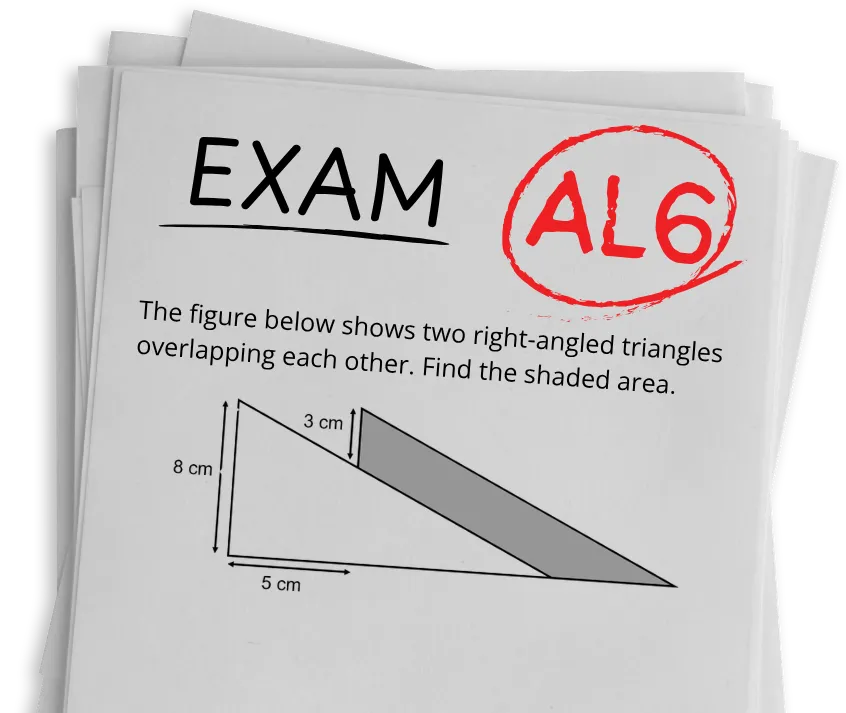
Familiar practice goes well. A different diagram or unfamiliar wording leaves them stuck, even with tuition and revision.
Understanding someone else’s solution and finding a first step independently require different thinking. The webinar explores what may be happening in that gap.
WHAT YOU WILL DISCOVER
Connect what you see during homework to the thinking your child needs when they face a question alone.
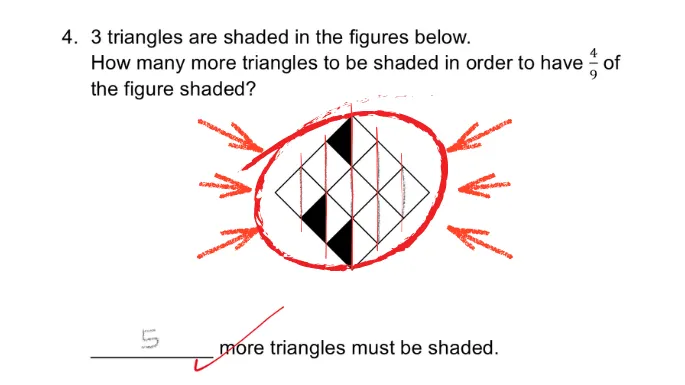
Understand why following a correction can feel like learning, yet leave your child unsure what to do alone on the next question.
See why a child can remember the lesson yet struggle to decide which idea fits a changed question, and what marks alone may not tell you.
Discover how systematic, visual and analytical thinking supports starting without a hint, choosing an approach and explaining why it fits.
PARENT EXPERIENCES WITH PATTERN THINKERS
These parents describe changes they noticed during the Pattern Thinkers programme. Individual progress varies.
“Math homework used to take 2 hours with frustration. Now he finishes in about 45 minutes, mostly on his own. He stopped asking ‘how to do’ every few minutes.”
“My daughter used to fear math. Whenever she saw a question she didn’t recognise, she would go quiet and say, “I don’t know.” I could tell she had already given up before even trying. These days, it’s different. She still pauses... but she tries first. She doesn’t shut down anymore. Now she approaches questions calmly and confidently.”
“The biggest eye-opener was realising my child was guessing most of the time. After learning the system, she became much more structured and confident.”
“Math used to be a daily conflict at home. Now he works independently, and our relationship improved a lot. That alone made it worth it.”
“My daughter went through multiple tuition centres and even had a private tutor who was a Math HOD. Honestly, we spent a lot. But the results just didn’t change. After Pattern Thinkers, I noticed something different. She doesn’t look around or wait anymore. She starts working through the question. For the first time, I felt the money was actually going somewhere..”
“Hi Vanessa, thank you for the detailed weekly updates. It’s been really helpful in understanding his progress and I’ve also noticed that he’s changed his approach to math questions. There’s more logical thinking and he stops to think more. He used to either give up or pluck numbers from the questions or come up with a sequence that may not make sense so it’s really heartening to see the progress he’s making as the lessons go along.”
Your child’s effort deserves to translate into greater confidence and independence. Start by understanding what may be keeping them stuck.
BEFORE YOU JOIN
Yes. The webinar explores why a child may understand what they are taught yet struggle to recognise when and how to use it independently. It can help you understand the difficulty beyond whether they know the topic.
No. This webinar is designed for you as a parent. Dr Norman Tien will guide the discussion. Your child does not need to attend.
Yes. You will also be introduced to Pattern Thinkers during the webinar. There is no obligation to enrol in the programme to attend the free webinar.
REGISTRATION RECEIVED
Thank you for registering for Dr Norman Tien’s free parent webinar.
See Math, Not Memorize Steps
Your registration and webinar session selection have been received.
Thursday, 5 November 2026
8.00–9.30 pm SGT
Saturday, 7 November 2026
2.00–3.30 pm SGT
Please attend the session you selected during registration. Both sessions are live online. All times shown are Singapore time.